

Pashupatinath Temple, Mandsaur: A Timeless Symbol of Faith, Art and Archaeological Heritage
Pashupatinath Temple, Mandsaur
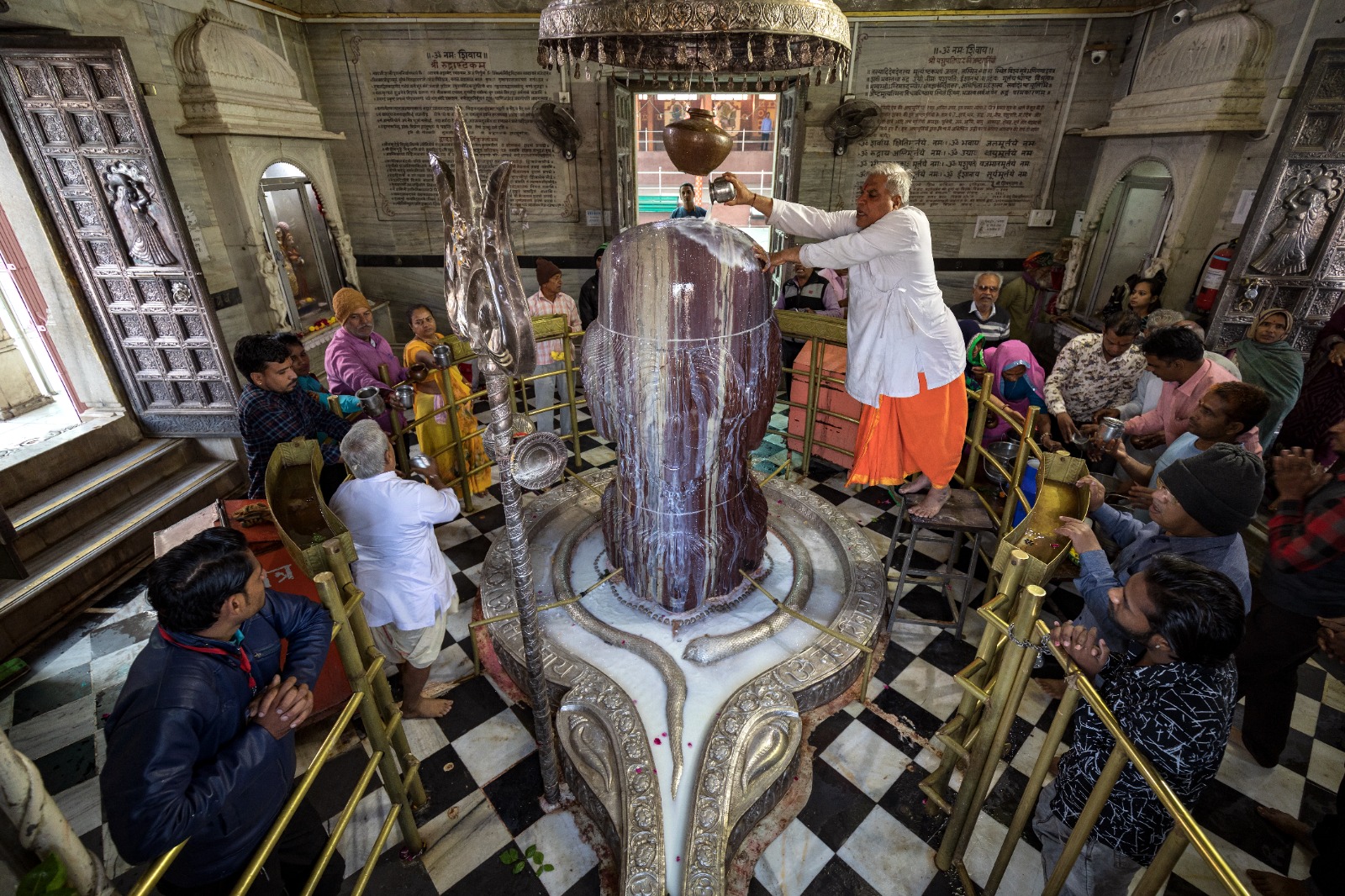
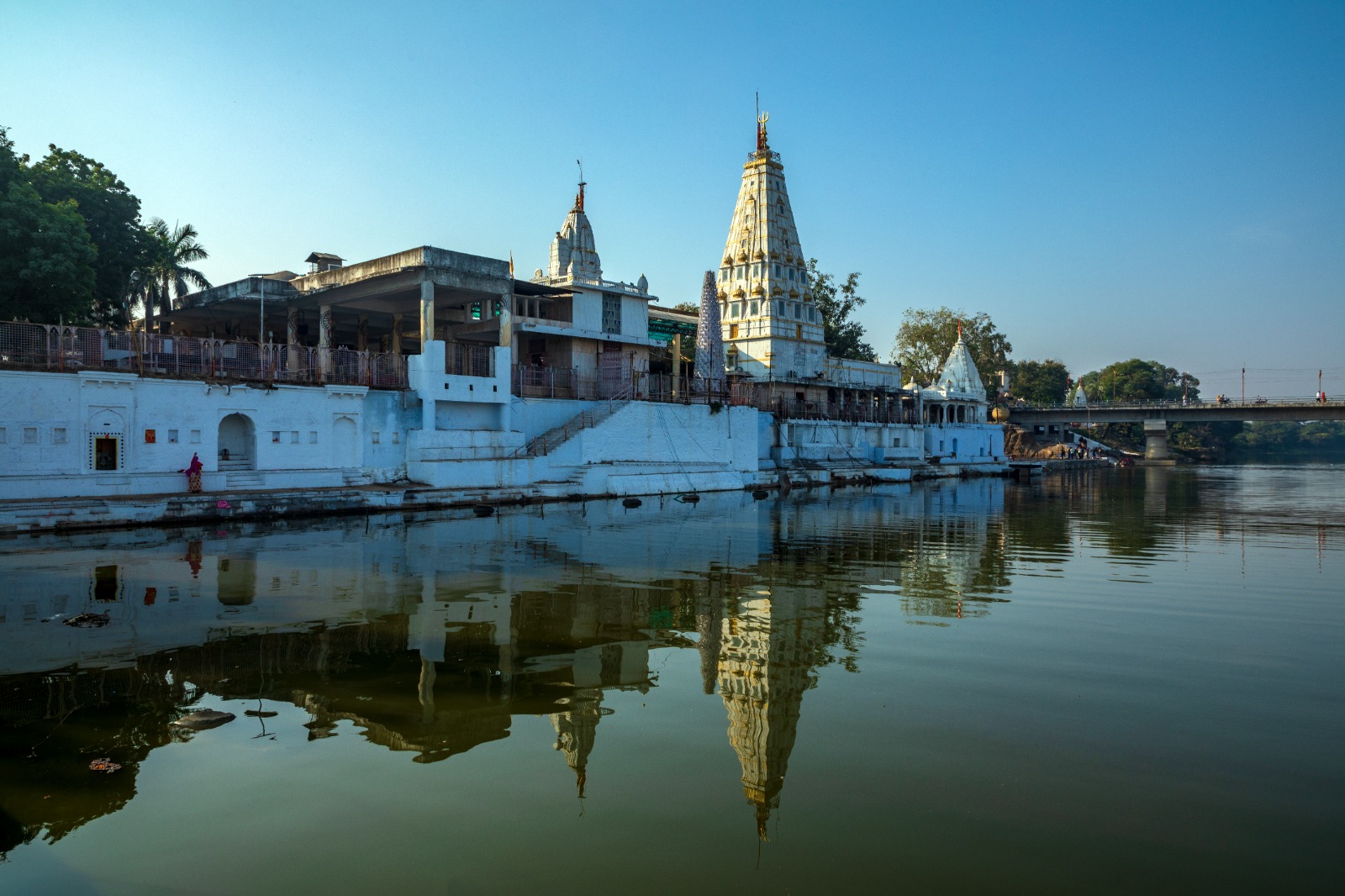
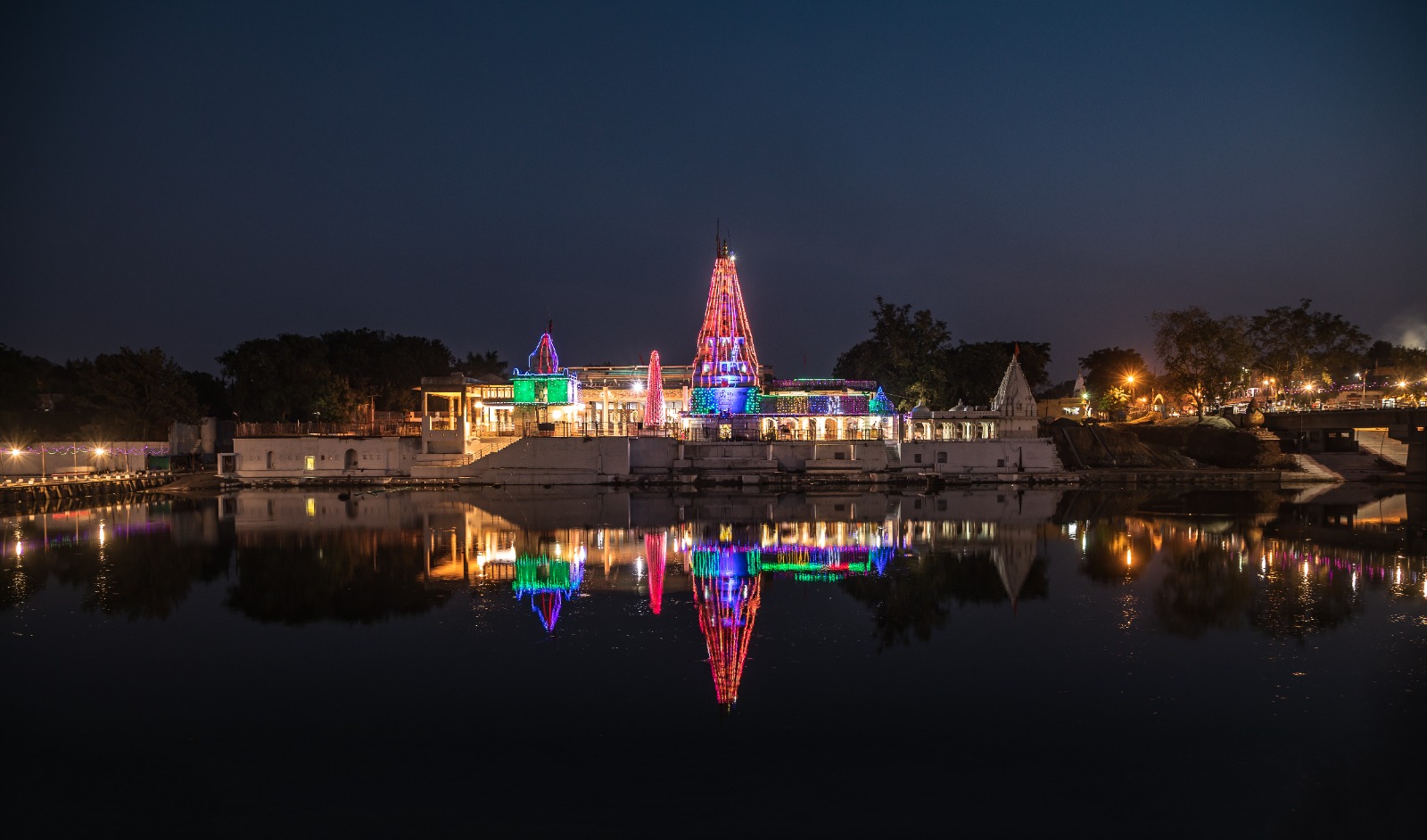
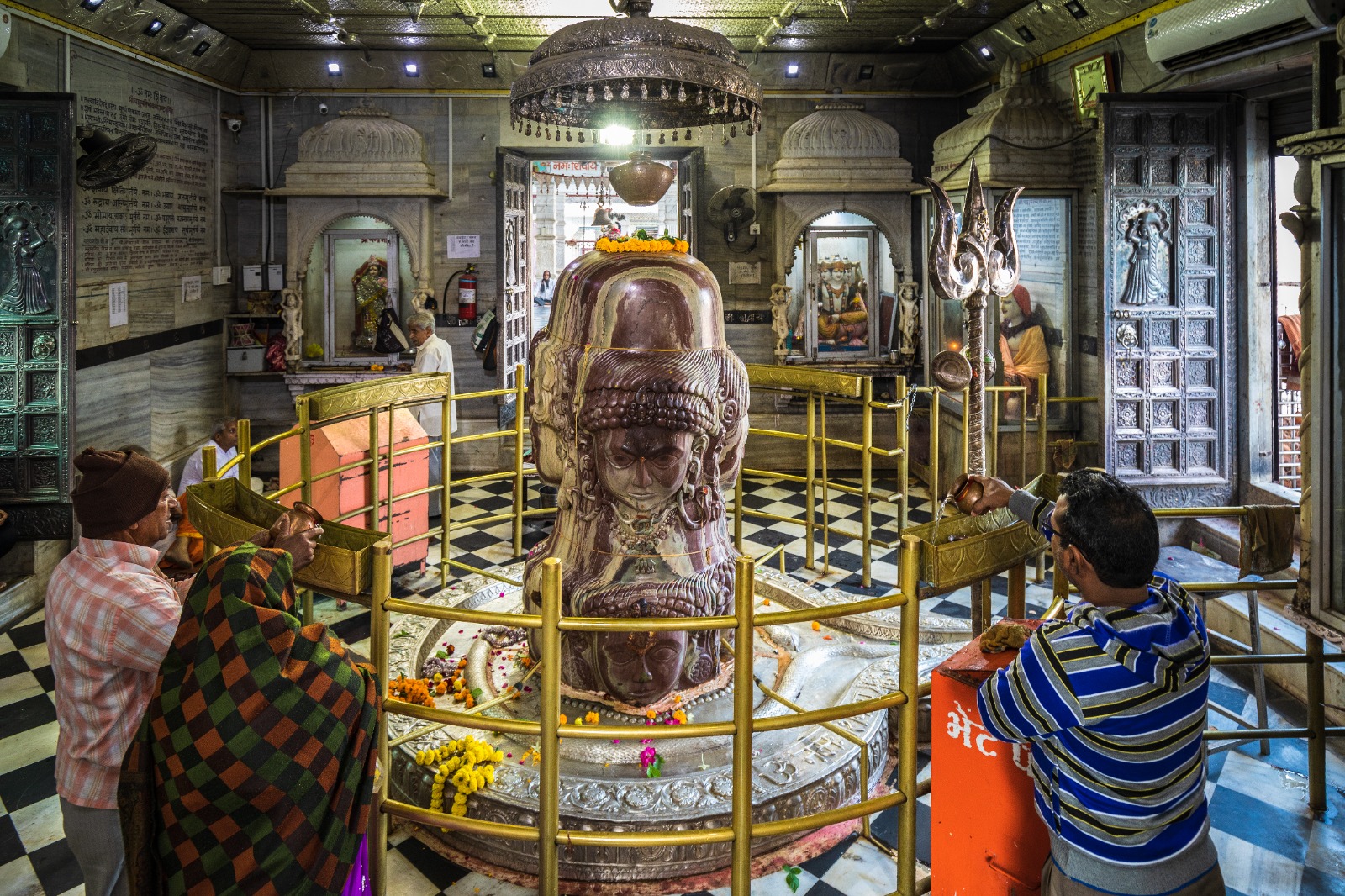
The temple is renowned for its rare ‘Ashtamukhi’ (eight-faced) Shivalinga, a magnificent monolithic sculpture carved from a smooth, shining copper colour stone. According to tradition, the Shivalinga was discovered in the Shivna River by a local washerman in 1940. It was consecrated as ‘Pashupatinath’ by Saint Pratyakshanandji Maharaj in 1961, marking the beginning of the temple's present form.
Standing over 3.5 metres high and weighing approximately 4.6 tonnes, the Shivalinga depicts the eight manifestations of Lord Shiva—Bhava, Pashupati, Mahadeva, Ishana, Rudra, Sharva, Ugra and Ashani. Mentioned in the ‘Shatapatha Brahmana’ and ‘Shiva Purana’, the first four faces symbolise Shiva's benevolent nature, while the latter four represent his fierce and transformative power. The sculpture is celebrated for its remarkable craftsmanship, graceful expressions and the harmonious embodiment of Satyam, Shivam, Sundaram (Truth, Divinity and Beauty).
Archaeological studies trace the origins of the sacred sculpture to the 5th–6th century CE, during the Gupta and Aulikara period, when ancient ‘Dashapura’ (present-day Mandsaur) flourished as a major centre of trade, culture and religion. Sanskrit inscriptions discovered in Mandsaur dating from the 4th and 5th centuries provide valuable insights into the city's prosperous merchant guilds, skilled artisans and patronage of temples. These inscriptions remain important sources for understanding the political, social and artistic history of early India.
The Ashtamukhi Shivalinga is regarded as one of the finest examples of early Shaivite iconography and the Western School of Indian temple art. Its sculptural style offers valuable evidence of the evolution of temple architecture and religious art during the Gupta era, making the temple an important landmark for archaeologists and art historians.
The Pashupatinath Temple of Mandsaur also shares a profound spiritual connection with the celebrated Pashupatinath Temple in Kathmandu, Nepal. Both temples are dedicated to Lord Shiva as ‘Pashupati’, the "Lord of All Living Beings," symbolising universal compassion and protection. While the Kathmandu shrine is a UNESCO World Heritage Site and one of Hinduism's holiest pilgrimage centres, the Mandsaur temple is distinguished by its extraordinary eight-faced Shivalinga, making it unique in India.
AGV
Madhya Pradesh Tourism Board
email us here
Visit us on social media:
LinkedIn
Instagram
Facebook
YouTube
X
Divine Shri Pashupatinath Lok, Mandsaur | Spiritual Corridor Inaugurated by CM Dr. Mohan Yadav
Legal Disclaimer:
EIN Presswire provides this news content "as is" without warranty of any kind. We do not accept any responsibility or liability for the accuracy, content, images, videos, licenses, completeness, legality, or reliability of the information contained in this article. If you have any complaints or copyright issues related to this article, kindly contact the author above.
